 Skip to main navigation
Skip to content
Skip to main navigation
Skip to content






Before learning can flourish, children need trusting relationships that support their emotional wellbeing, confidence, curiosity and enthusiasm to learn about the world around them.
At Goodstart, our key educator relationship approach is a core part of how we run our early learning programs. The approach helps us to ensure every child experiences consistent, relationship-based care for their optimal outcomes.
What is the key educator relationship approach?
Our key educator relationship approach prioritises secure and nurturing connections built through culturally safe and responsive interactions.
Educators take time to know each child and family, helping children feel safe, supported, and confident to learn.
These strong relationships support children’s wellbeing, sense of belonging, emotional regulation, and growing independence.
When families and educators work in partnership, children are more engaged, resilient, and successful learners.
What your child needs (and how we respond)
To feel secure and emotionally safe
Children learn best when they feel safe and known.
Through key educator relationships, educators build a deep understanding of each child and family, enabling warm, consistent support for wellbeing, confidence, and emotional regulation.
This knowledge guides play-based planned and spontaneous intentional teaching opportunities, inclusive of individual learning goals across everyday routines and experiences.
To be known as an individual
Every child is unique. Their interests, culture, temperament, strengths, and needs shape how they experience the world.
Through key educator relationships, educators take time to build a shared understanding of each child, how they seek comfort, what sparks their curiosity, and how they learn best.
This collective knowledge helps ensure learning experiences are meaningful, relevant, and engaging.
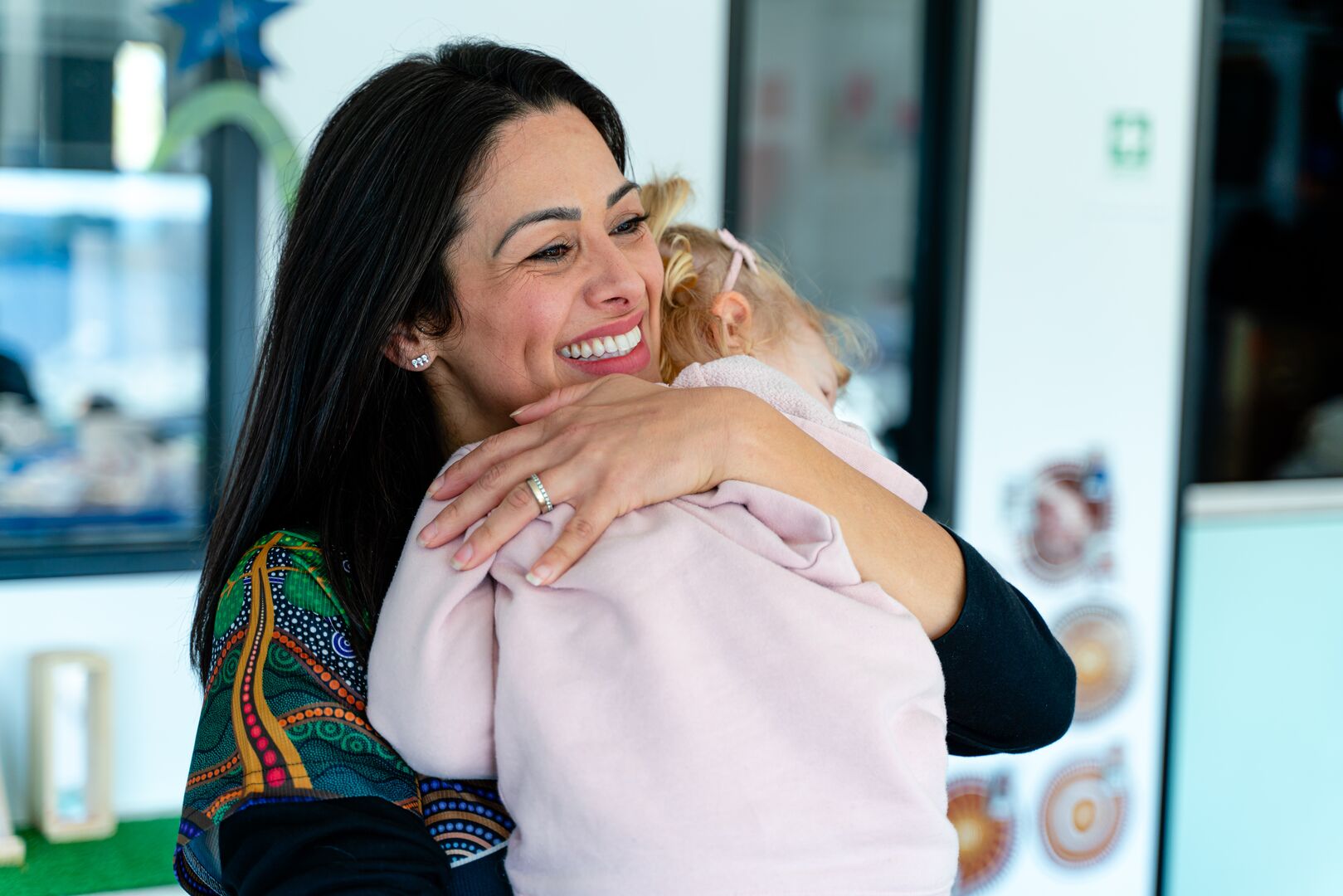 Secure attachments through key educator relationships help children thrive
Predictable care and routines
Children thrive when predictable routines support safety, trust, and learning.
Key educator relationships enable educators to intentionally use everyday moments – such as meals, rest, toileting, and transitions – to build self-regulation, independence, confidence, and a strong sense of self.
Educators respond to children’s cues and share insights as a team to ensure consistent, meaningful learning experiences.
Supporting children's emotions
Young children are still learning how to understand and manage emotions. Your child’s key educators help them co-regulate – staying calm, naming feelings and offering reassurance during challenging moments. This way, over time, children develop resilience, empathy and self-confidence.
The key educator concept is grounded in attachment theory and the Early Years Learning Framework (EYLF), where the first and foundational principle is ‘Secure, respectful and reciprocal relationships.’ The EYLF recognises that children learn best when they feel safe, valued and connected to consistent adults. Our key educator relationship approach puts this principle into practice by ensuring every child has trusted educators who build meaningful, responsive relationships with them and their family.
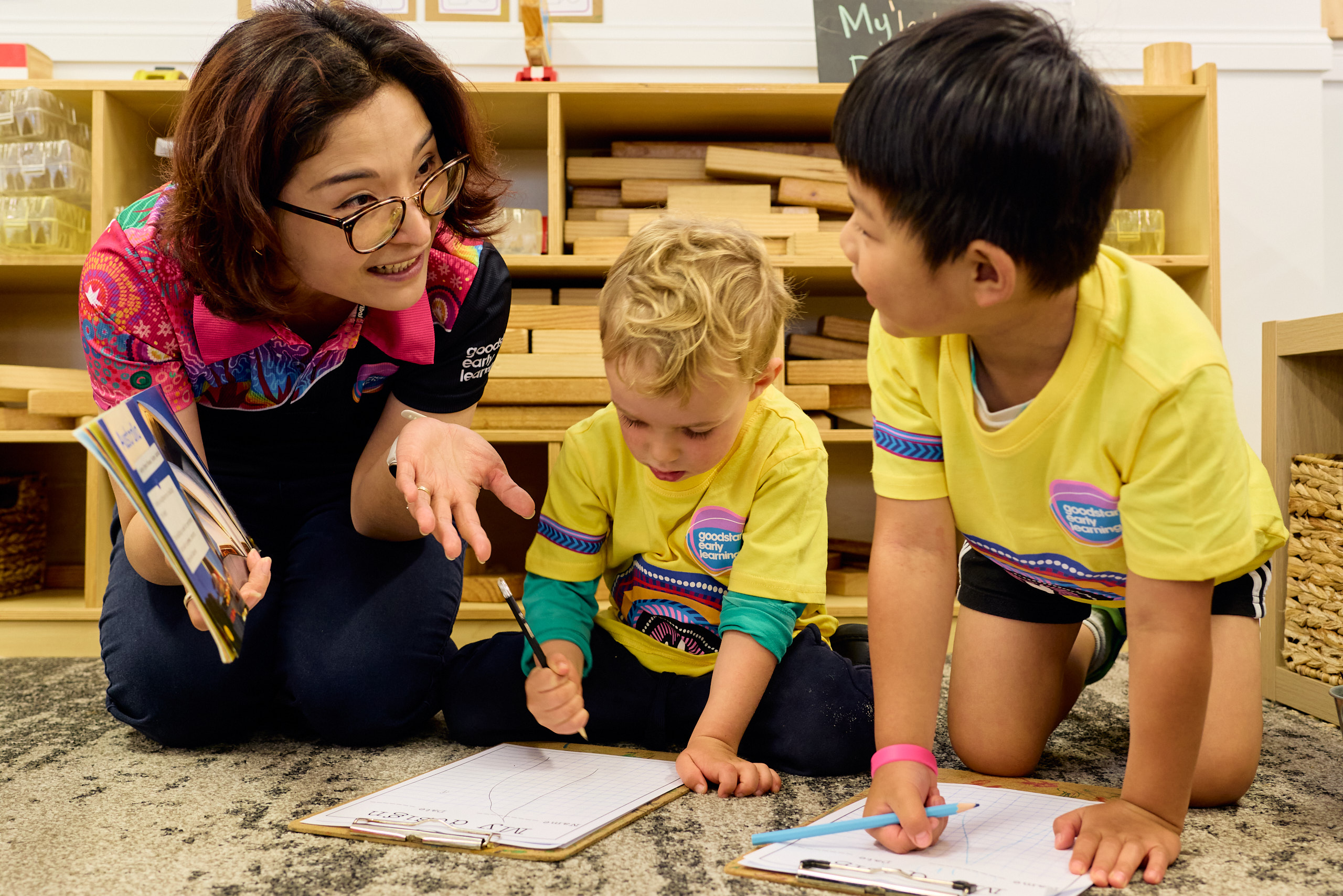 When children feel safe, secure, and truly known, they have the confidence to explore and learn
Key educator relationships in practice
A familiar face from day one
From orientation, families meet a consistent educator team who work together through key educator relationships to support each child’s learning and wellbeing.
Planned orientation visits allow these relationships to form early, helping children feel a sense of belonging and reassuring families that their child is known and supported.
Small groups, deeper learning
Key educator relationships describe how our educator teams work together to know children and families well.
Within small, consistent groups, educators are attuned and responsive to children’s needs, interests, and routines, supporting learning, wellbeing, and belonging.
These relationships are shared across the team, ensuring children benefit from warm, connected care without relying on one educator alone.
Thoughtful transitions
Transitions – arriving at the centre, moving between rooms, or heading home – can be big moments for young children. A trusted educator supports these times, helping your child move confidently between home and the centre, and between different parts of their day.
Continuity over time
Where possible, centres plan for continuity of care, allowing children to stay with educators they know as they grow. This strengthens attachments and supports smoother transitions between age groups.
Partnering with families
Your child’s first and most important relationship is with you, and at Goodstart, families are our primary partners.
The key educator relationship approach strengthens this partnership by providing you with a clear point of contact – someone who understands your child and can share meaningful insights about their day, learning, and development.
Through daily conversations, shared observations and tools like Storypark, families and educators work together to support each child’s wellbeing and learning. This shared understanding creates continuity between home and the centre, helping children feel secure in both environments.
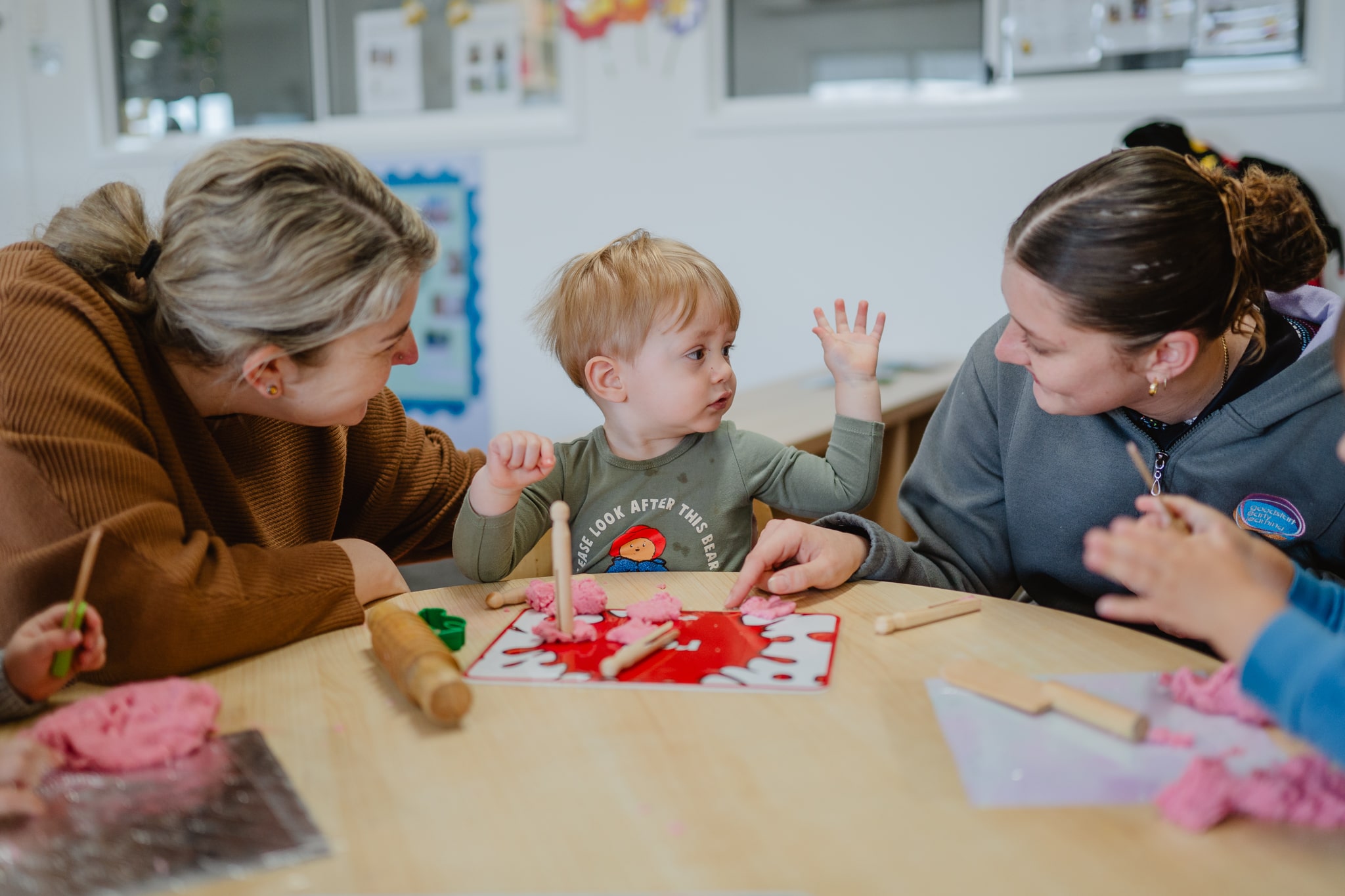 Families are our primary parters - and your child's key educator is your clear point of contact for their learning and experience at Goodstart
Supporting children at every age
- Infants need close, responsive relationships to feel safe in a fast-changing world. Key educators provide consistent, nurturing care that supports early attachment and brain development.
- Toddlers are building independence while still needing reassurance. Predictable routines and trusted relationships help them explore with confidence.
- Preschool and kindergarten children benefit from having a dependable ‘go-to’ educator who supports peer relationships, learning conversations and emotional growth, even as children become more independent.
Why the key educator relationship approach matters
When children feel secure, known and valued, they are more likely to:
- Explore and engage in learning
- Build positive relationships with others
- Develop confidence, resilience and wellbeing
Families benefit from stronger communication and trust, and educators are supported to work calmly and purposefully, focusing on what matters most – the child.
At Goodstart, the key educator relationship approach brings our guiding principles to life: children are central to everything we do, and families are our primary partners. It ensures every child has a champion – someone who understands the power of connection and is committed to helping them be their very best.