 Skip to main navigation
Skip to content
Skip to main navigation
Skip to content






The leap from a nurturing, play-based early learning setting to the more structured environment of 'big school' is one of the most significant milestones in a child’s life.
While many parents focus on academic milestones like counting to 10 or writing letters, educators say a child’s social and emotional readiness is just as important.
Kylie Williams, an Early Childhood Teacher (ECT) at Goodstart Burleigh Waters, made the switch from primary teaching to early childhood after seeing first-hand how much of a difference the 'year before' makes.
'I used to think if I could just get them earlier, I could help them be where they need to be,' Kylie says. 'Now, I focus on ensuring children are ready to tackle everything life brings them.'
Meet Kylie Williams, passionate Goodstart teacher
Why school readiness is more than just academics
In Australia, research shows that approximately one in five children start school developmentally vulnerable in areas such as emotional maturity or social skills.
As children transition from the fluid, child-led play of early learning to the 'serious' school environment, the demands on their independence skyrocket.
'When I was teaching prep, I saw many children who weren't socially or emotionally ready,' Kylie explains.
'They need to be able to play, build resilience, and have the emotional skills to cope with the independence needed at school.
‘Some children show their struggles outwardly, but others go inward and fly under the radar. They really benefit from the nurturing environment of a kindergarten program to build that confidence first.'
How the Three to Five Outcomes Framework scaffolds success
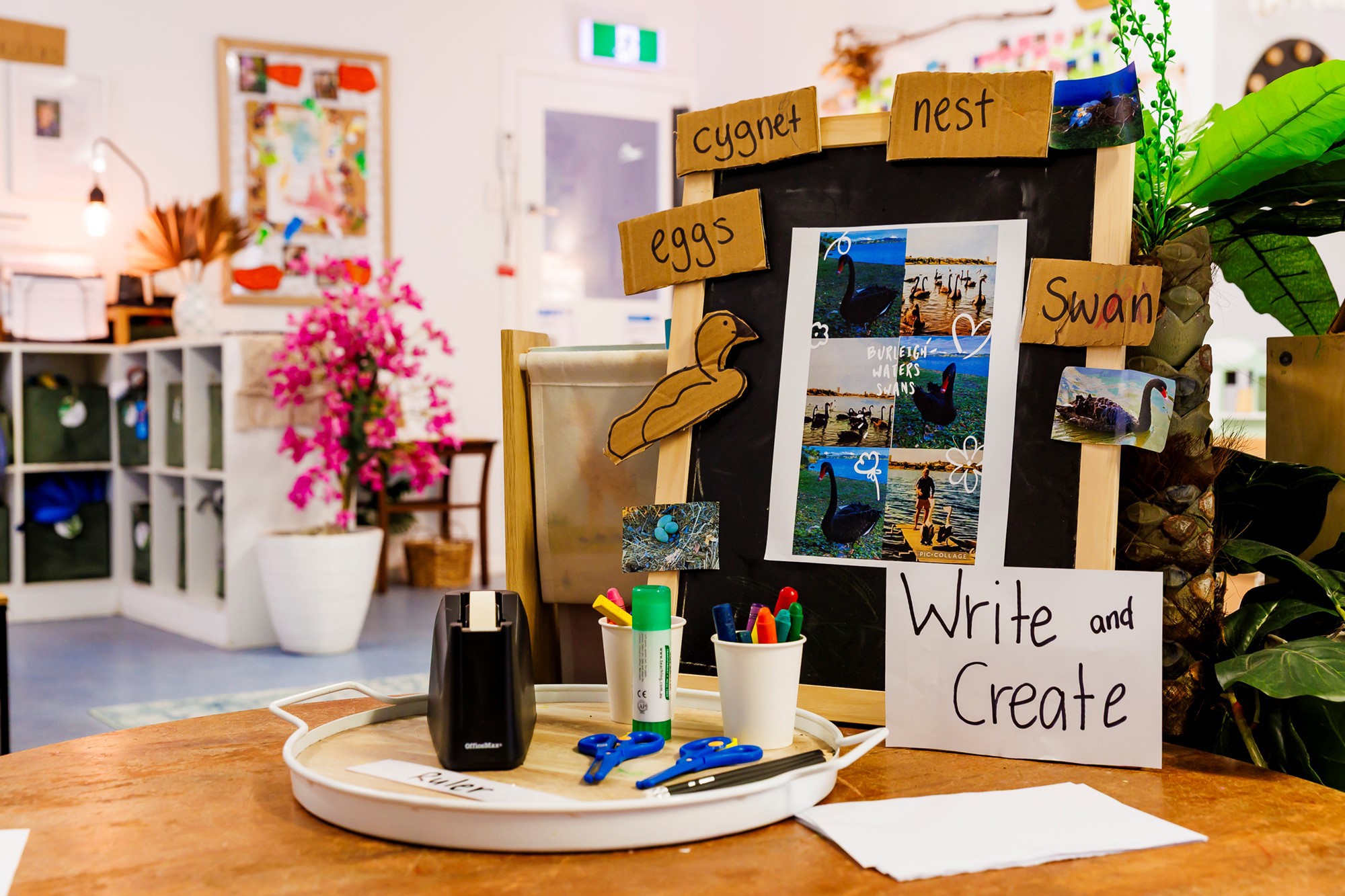 The Goodstart Outcomes Framework allows teachers to create a program tailored to each child’s unique 'continuum' of learningTo bridge the gap between play and formal schooling, our teachers use the Goodstart Three to Five Outcomes Framework alongside the Early Years Learning Framework. This evidence-based tool, introduced in 2025, allows us to create a holistic program tailored to each child’s unique 'continuum' of learning.
Rather than just ticking off a checklist, degree-qualified educators like Kylie use the framework to:
- Identify exactly how a child is developing socially, emotionally, and academically.
- Step back or forward on the learning continuum to meet a child’s specific needs.
- Cater to all learning areas across the week, from literacy to self-regulation.
'Previously, I was looking at the Australian Curriculum and trying to work backwards,' Kylie says. 'Now, the Goodstart Outcomes Framework does that for us. It helps us identify what a child can do now and what they need to master before that first day of prep.'
Recognising play schemas: How children learn best
One of the most effective ways we support 'school readiness' in ECEC is by observing play schemas. These are repetitive patterns of behaviour that allow children to explore and express their curiosity. When a child is engaged in a schema, they are building the neural pathways required for complex problem-solving.
Common schemas you might see at home or at kindy include:
- Transporting: Moving items from one place to another (e.g., filling a bucket with sand and carrying it across the yard).
- Enveloping: Covering themselves or objects completely (e.g., hiding under a sheet or wrapping toys in paper).
- Rotation: A fascination with things that go around (e.g., spinning wheels or twirling around).
- Trajectory: Exploring how things move through space (e.g., throwing a ball or dropping food from ahighchair).
'If they are interested in a specific schema, they will learn more because they actually want to do it,' Kylie notes. 'Listen to their voice – not just what they say, but what they do.'
Practical tips for the holiday transition
In the six-week holidays before the school year begins, you can put more focus on continuing to scaffold your child’s independence through small, daily habits. It’s about strengthening the 'self-help' muscle, so they feel empowered in a new environment.
- Master the lunchbox: Practice opening and closing containers and water bottles.
- Promote self-advocacy: Encourage them to ask for help when they are stuck or need the toilet.
- Normalise the routine: Read stories about starting school and talk about what the day will look like.
- Acknowledge feelings: If your child says they have 'butterflies', name that feeling. Share a time when you felt nervous too.
Take a step back and let them lead
Kylie’s biggest piece of advice for parents is to resist the urge to 'site manage' play.
'Take a step back and be curious about the choices your child makes,' she suggests. 'When we step back, they extend themselves. We are their safety net, but they often surprise us with what they can achieve when they explore independently.'
Success isn't just a child who can write their name; it’s a child who enters the classroom calm, engaged, and confident enough to advocate for themselves.